Recovery
Recovery Doesn't End When Treatment Does: Why the First 90 Days Decide Everything
The hardest part of recovery isn't treatment. It's Tuesday afternoon, three weeks later, when the structure is gone and life is waiting.
Reentry
44% in the First Year: What America's Recidivism Numbers Really Tell Us
The numbers look hopeless until you read them closely. Then they read like a map, showing exactly when and where support changes the outcome.
Reentry
Housing First Isn't a Slogan: It's the Foundation of Every Successful Reentry
Nobody rebuilds a life from a shelter cot. Housing isn't one need among many, it's the platform every other need stands on.
Our Mission
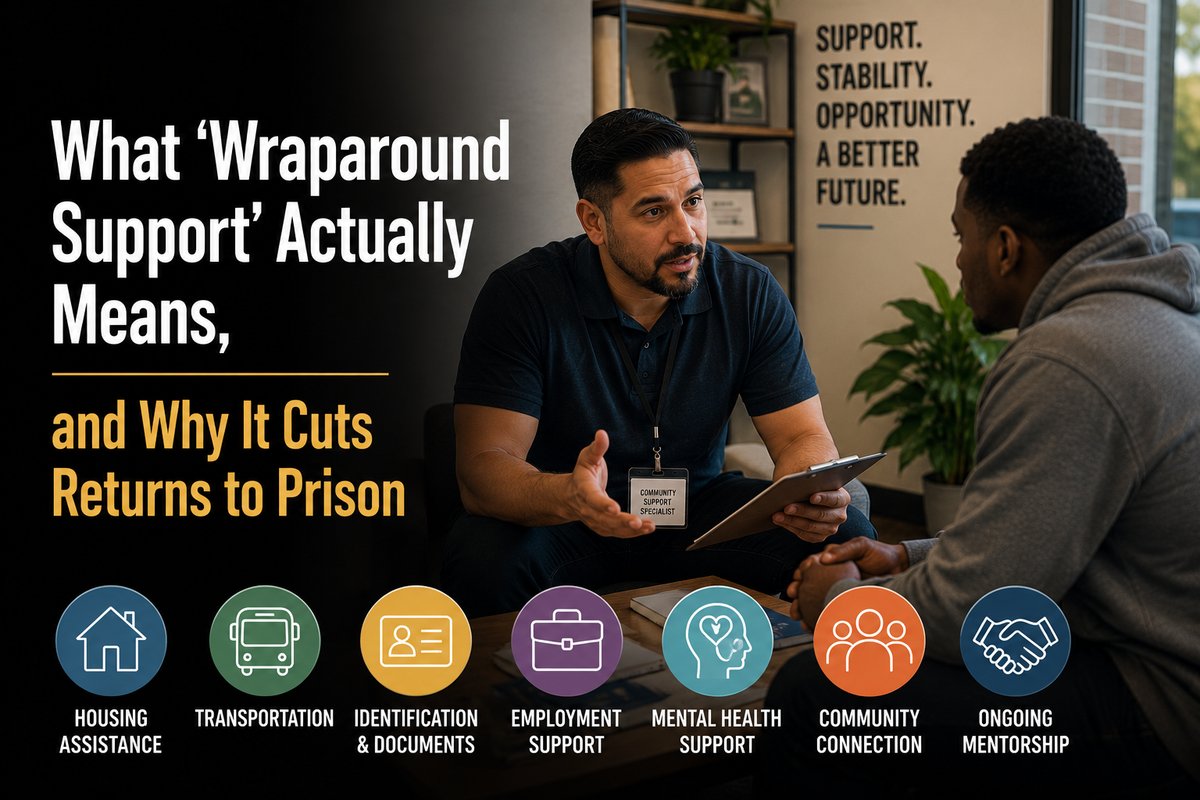
What 'Wraparound Support' Actually Means, and Why It Cuts Returns to Prison
Housing without a job fails. A job without transportation fails. Wraparound support works because life's needs don't come one at a time.
Reentry
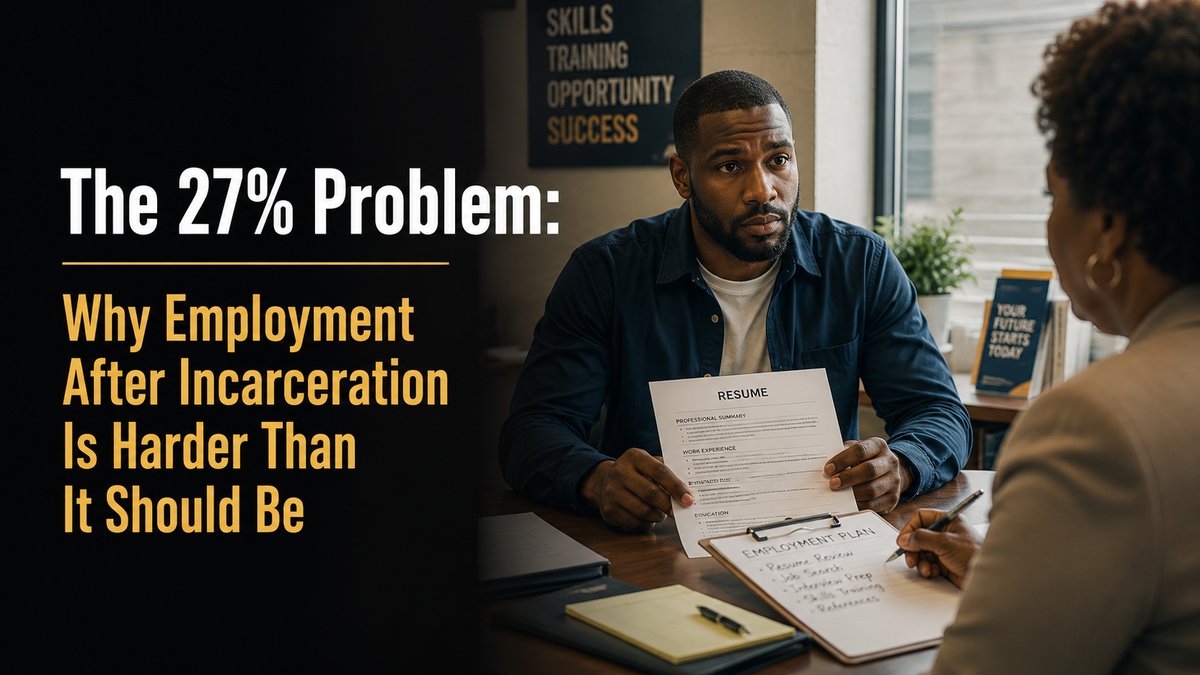
The 27% Problem: Why Employment After Incarceration Is Harder Than It Should Be
The unemployment rate for formerly incarcerated people is higher than the national rate has ever been, even during the Great Depression. And it's not for lack of trying.
Our Mission
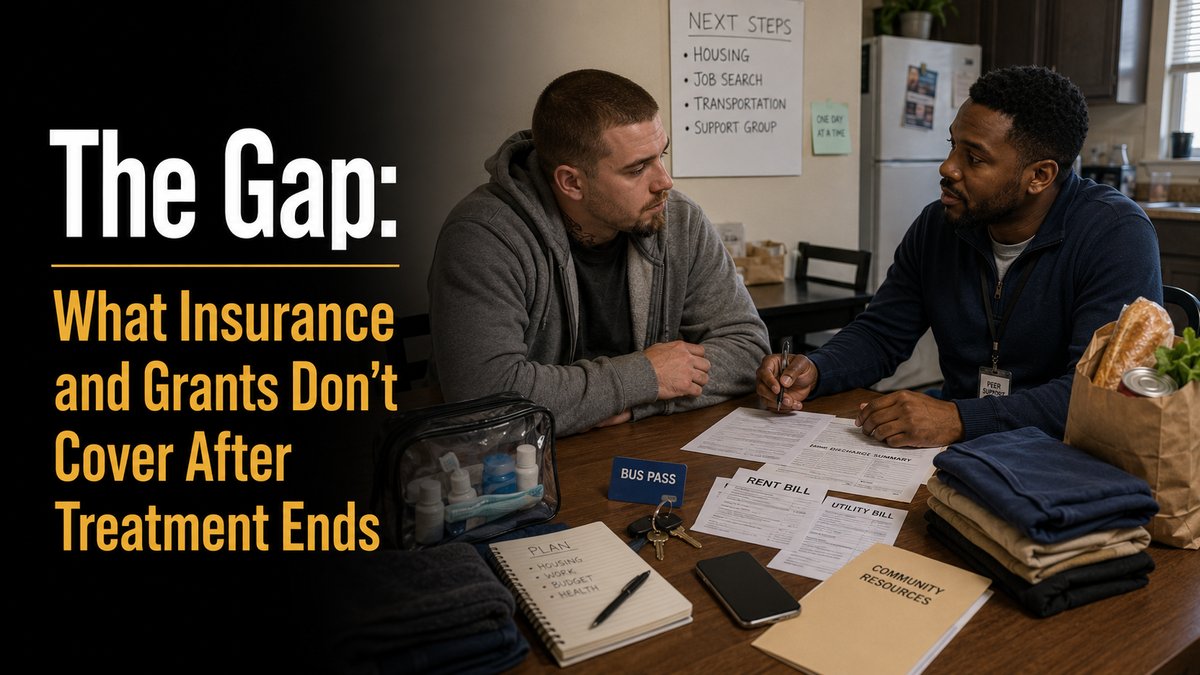
The Gap: What Insurance and Grants Don't Cover After Treatment Ends
The system funds the crisis and funds the program. It doesn't fund the Tuesday in between, and the Tuesday in between is where lives are actually rebuilt.
Reentry
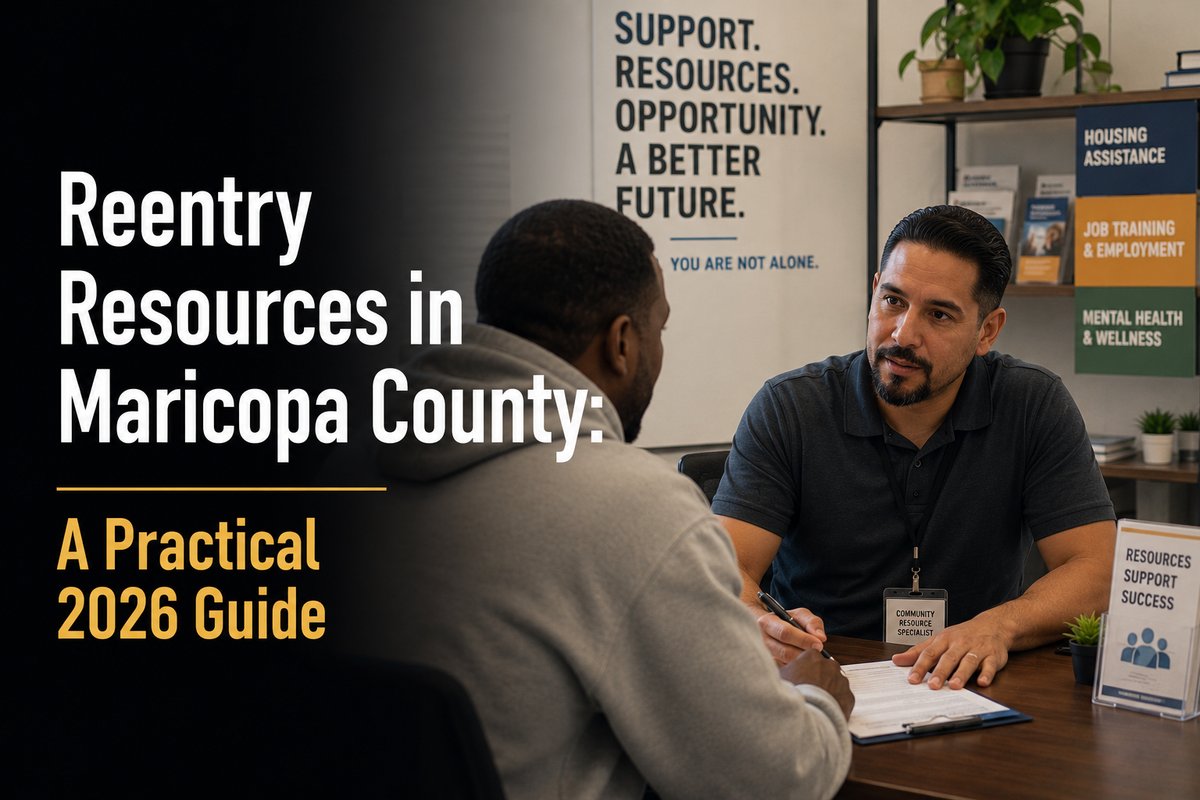
Reentry Resources in Maricopa County: A Practical 2026 Guide
Coming home to Maricopa County comes with more support than most people realize, if you know where to look. Here's the map.
The Numbers
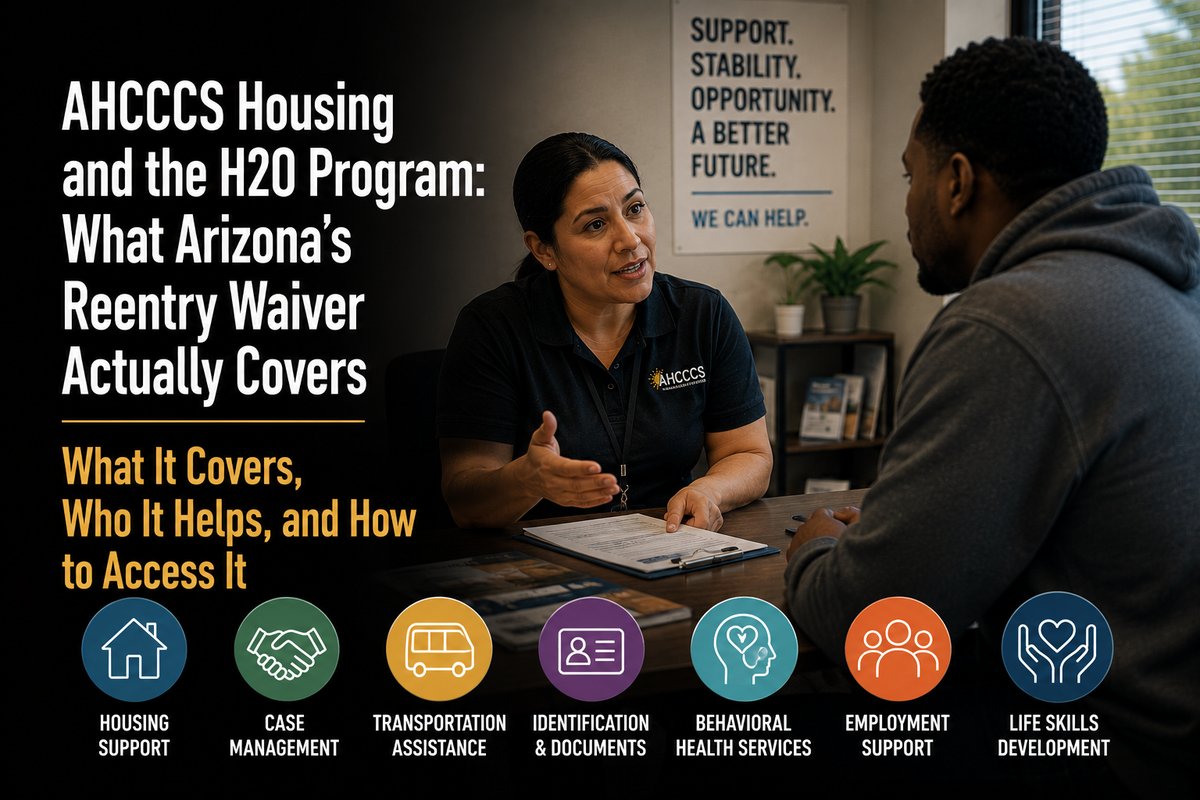
AHCCCS Housing and the H2O Program: What Arizona's Reentry Waiver Actually Covers
Arizona quietly did something remarkable: it started using Medicaid to pay rent. Here's what that means for recovery and reentry, and where it stops.
Recovery
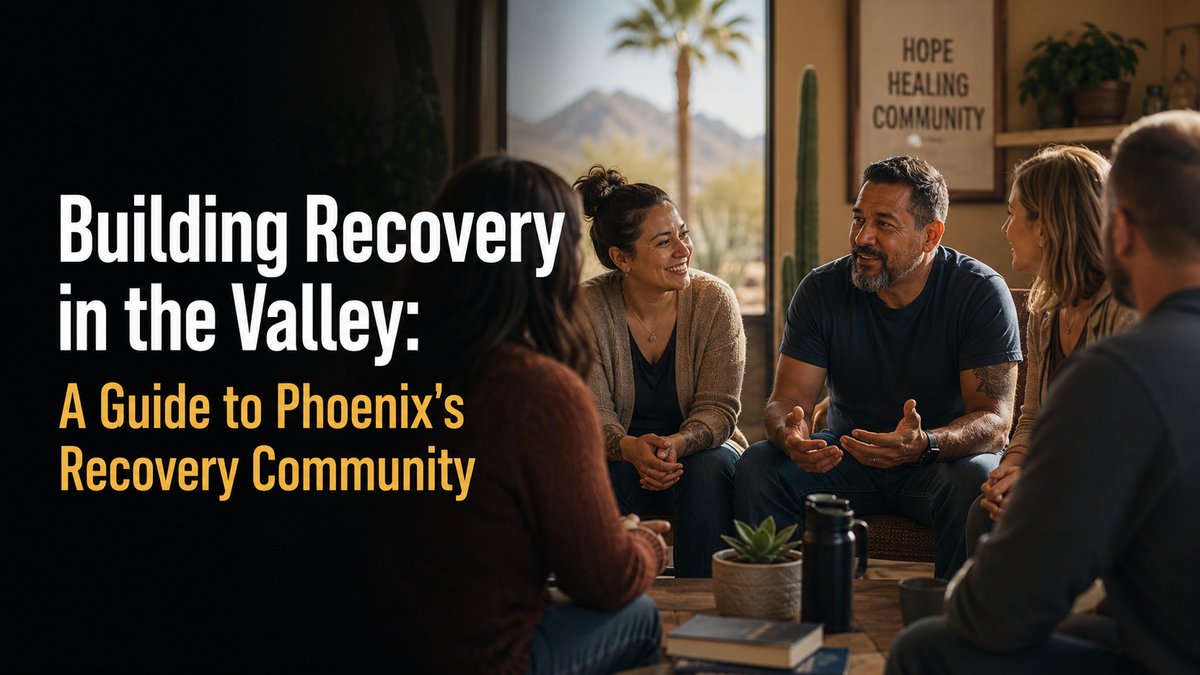
Building Recovery in the Valley: A Guide to Phoenix's Recovery Community
Recovery doesn't happen in isolation, and the Valley of the Sun offers more community than newcomers expect. Here's how to plug in.
The Numbers
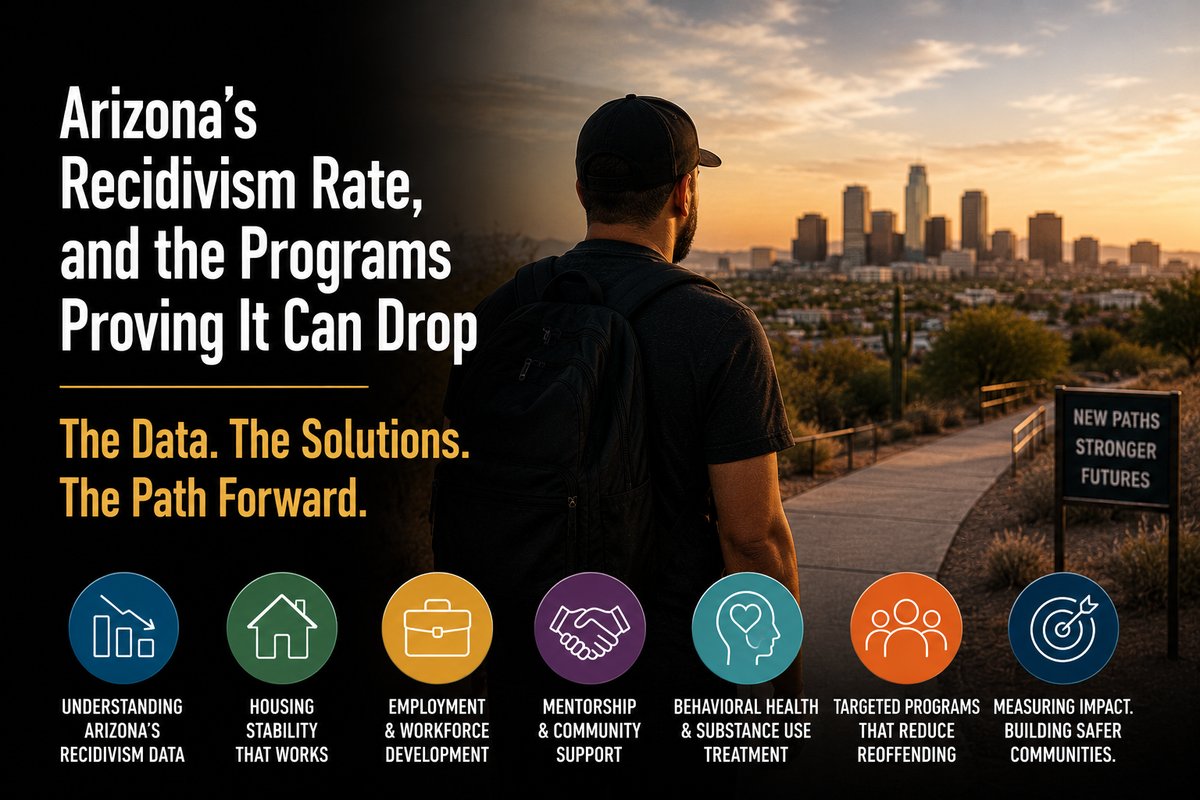
Arizona's Recidivism Rate, and the Programs Proving It Can Drop
Arizona's statewide recidivism rate is about 36%. One in-state program dropped it to 13%. The difference is a blueprint, and it's mostly support.
Get Involved
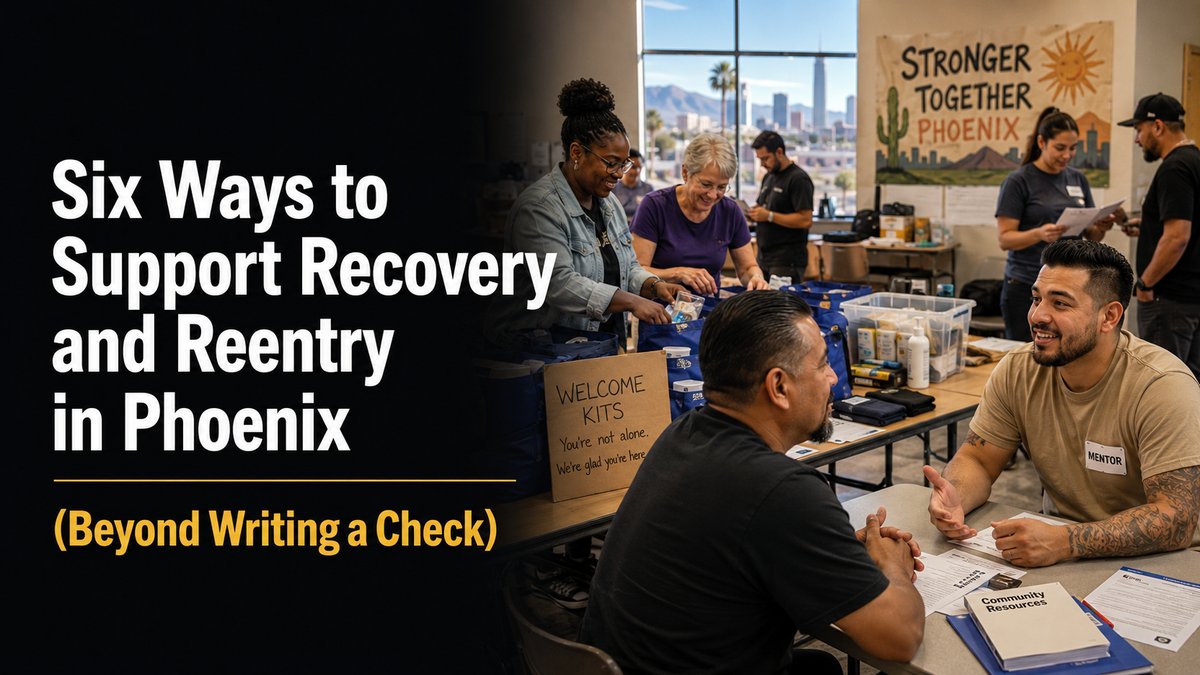
Six Ways to Support Recovery and Reentry in Phoenix (Beyond Writing a Check)
Supporting people rebuilding in Phoenix doesn't require deep pockets. It requires knowing which small levers move the most.
Get Involved
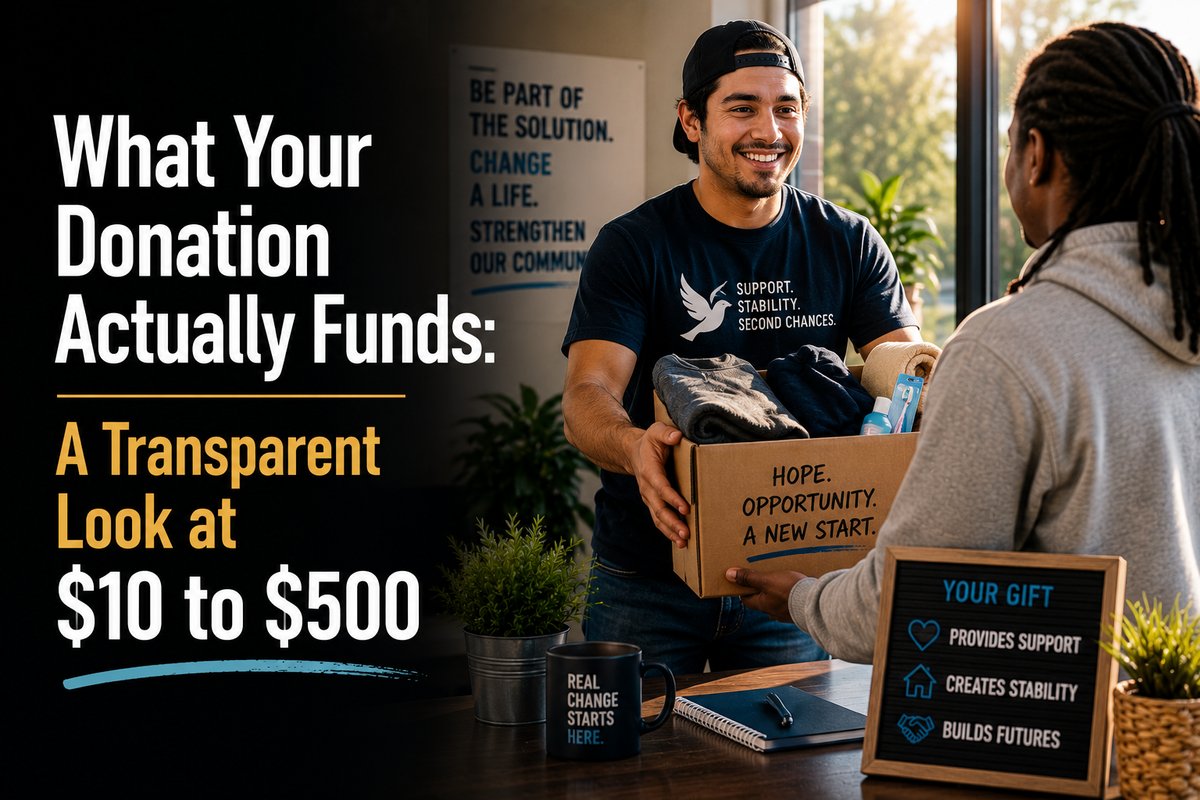
What Your Donation Actually Funds: A Transparent Look at $10 to $500
Most donation pages ask you to trust that your money helps. This one shows you exactly what each amount buys, because you deserve to know.
Recovery
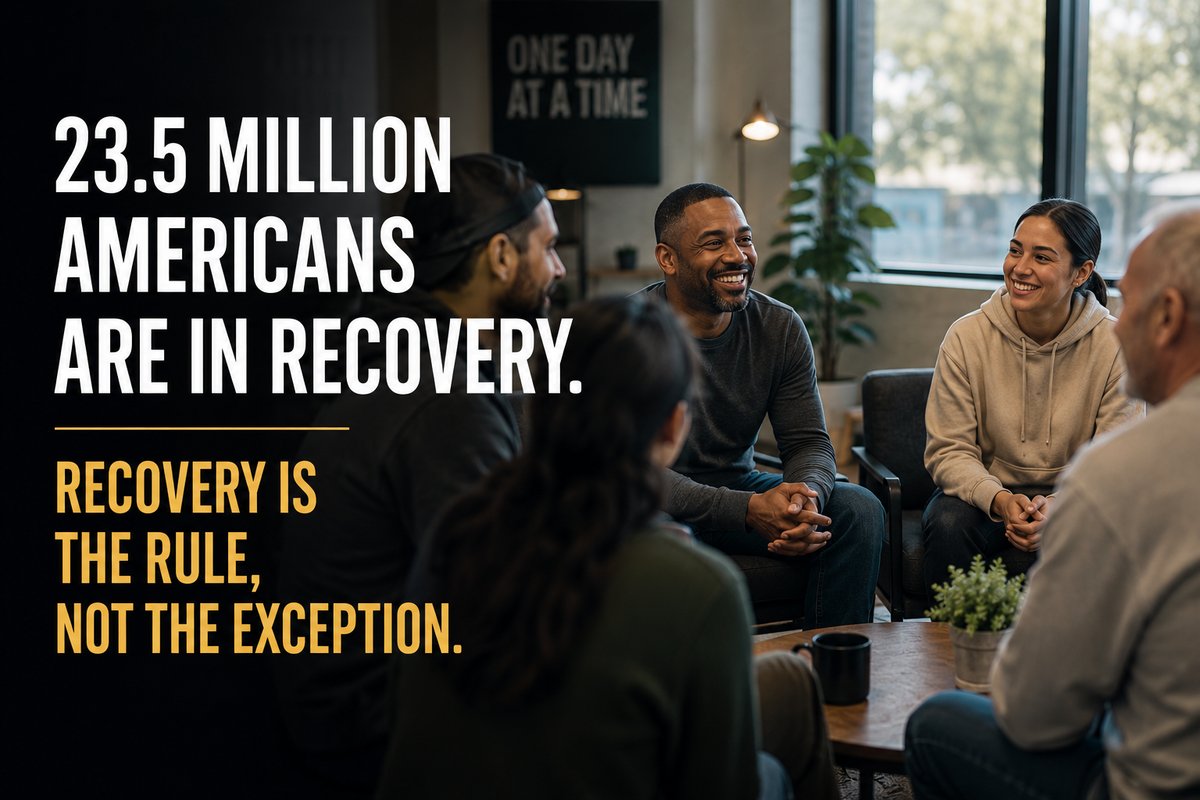
23.5 Million Americans Are in Recovery. Recovery Is the Rule, Not the Exception.
If you only ever hear the overdose numbers, you'd never guess the other half of the story: most people who develop a substance use problem eventually get better.
Recovery
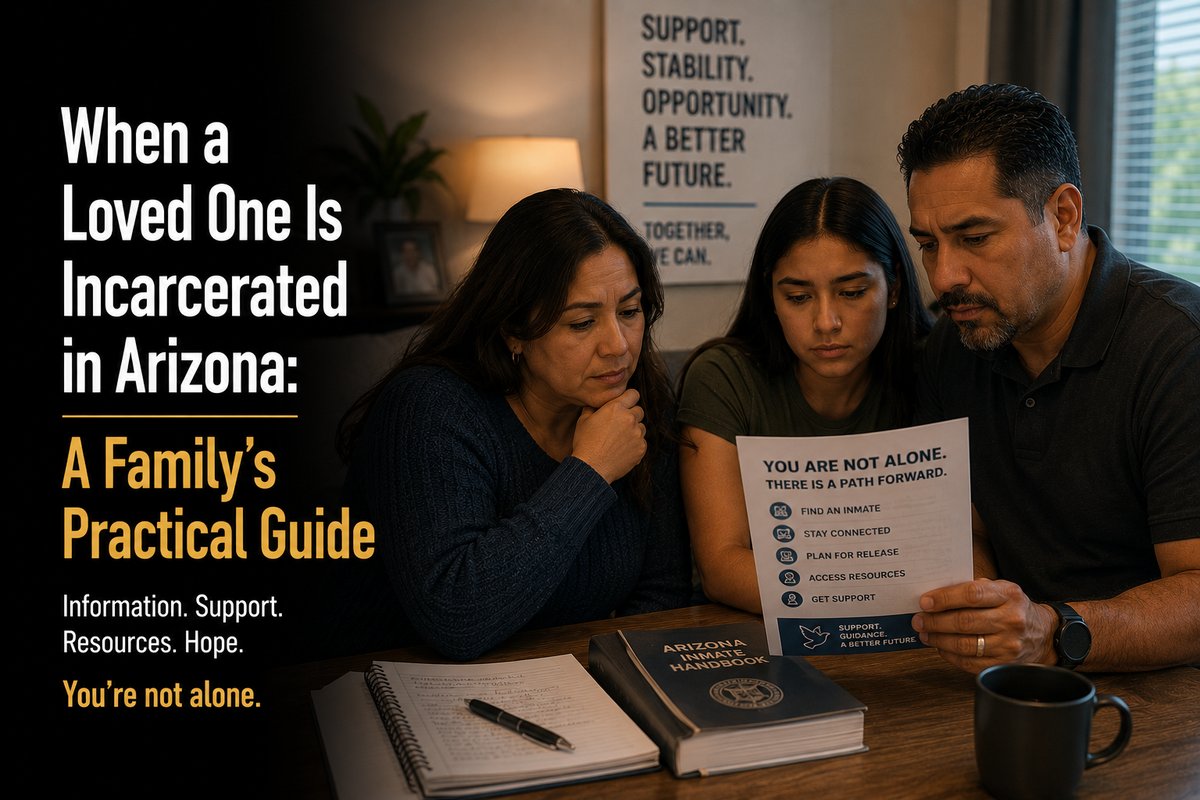
When a Loved One Is Incarcerated in Arizona: A Family's Practical Guide
The months before release matter as much as the months after. Here's what Arizona families can do now to set a homecoming up to succeed.
The Numbers
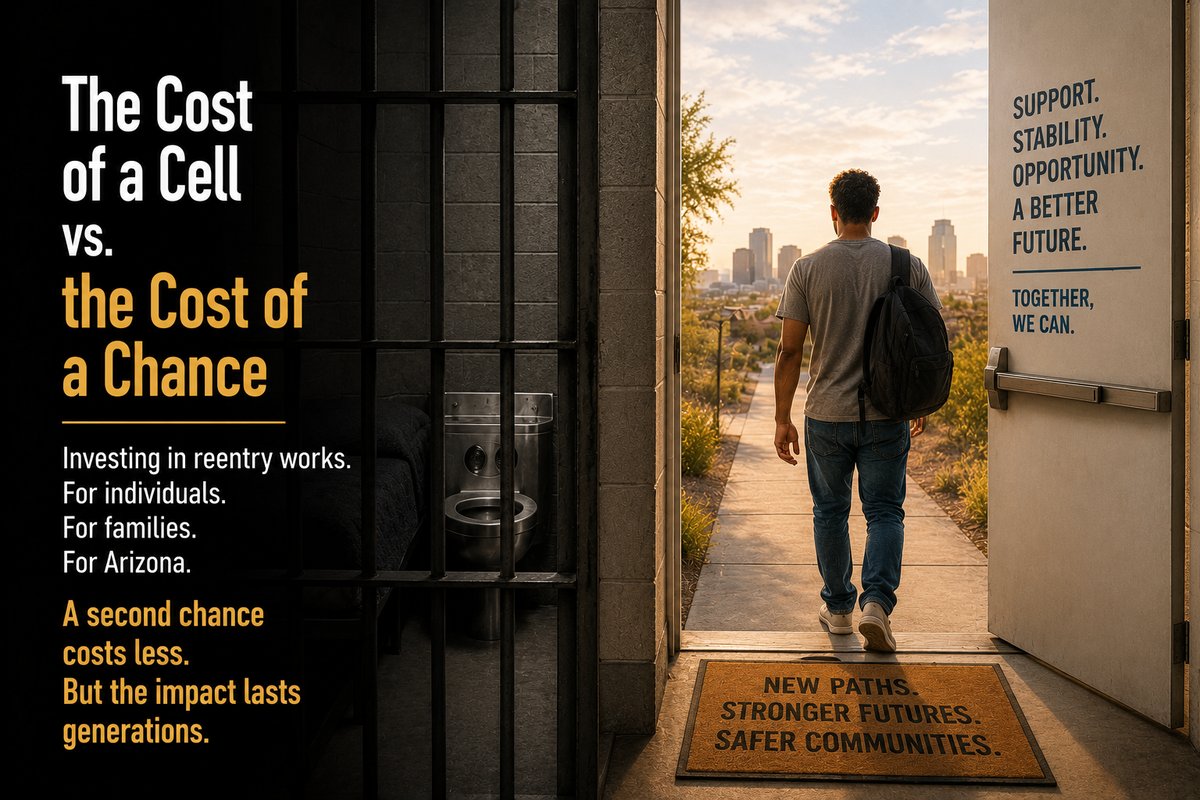
The Cost of a Cell vs. the Cost of a Chance
You don't have to lead with compassion to support reentry. You can lead with arithmetic and land in exactly the same place.
Get Involved
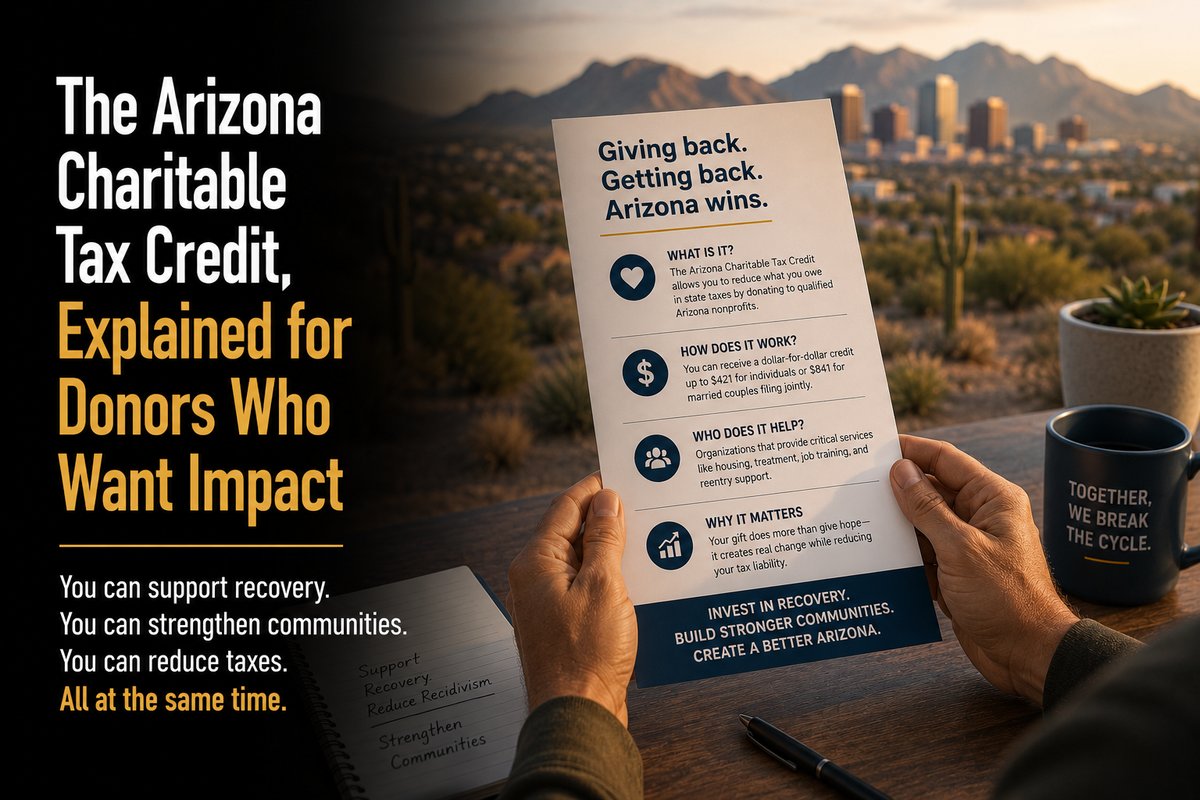
The Arizona Charitable Tax Credit, Explained for Donors Who Want Impact
It's one of the most underused giving tools in Arizona: a way to redirect money you already owe the state toward a cause you believe in, often at near-zero net cost.
Recovery
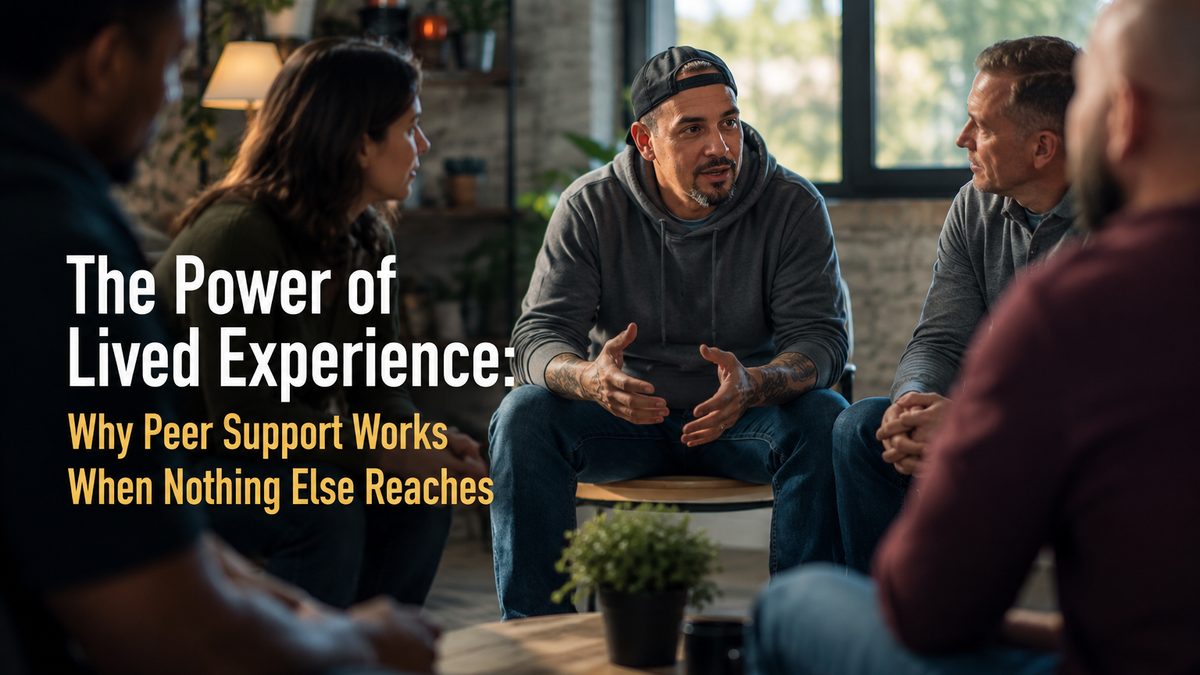
The Power of Lived Experience: Why Peer Support Works When Nothing Else Reaches
A clinician can explain the science of recovery. Only a peer can say 'I stood exactly where you're standing', and be believed.
Recovery
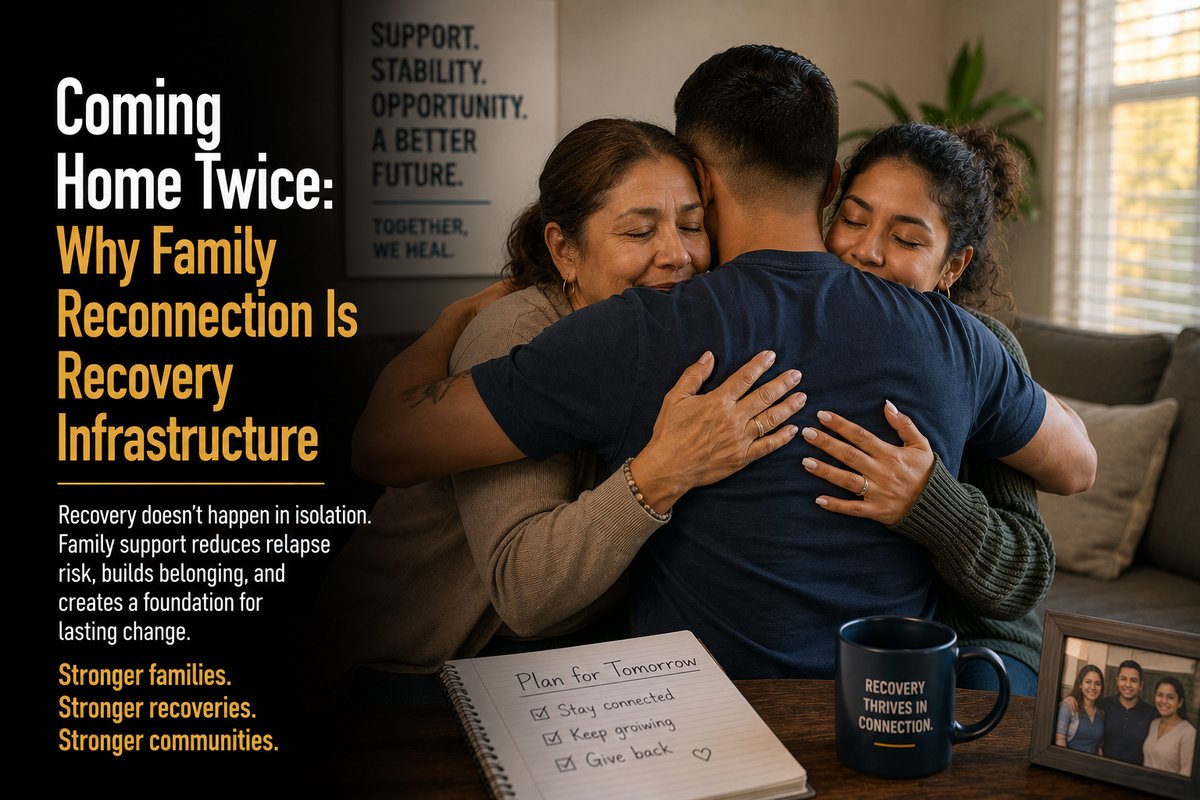
Coming Home Twice: Why Family Reconnection Is Recovery Infrastructure
There are two homecomings. The first is physical, a door, a bed, an address. The second is harder: coming home to the people you love.
Recovery
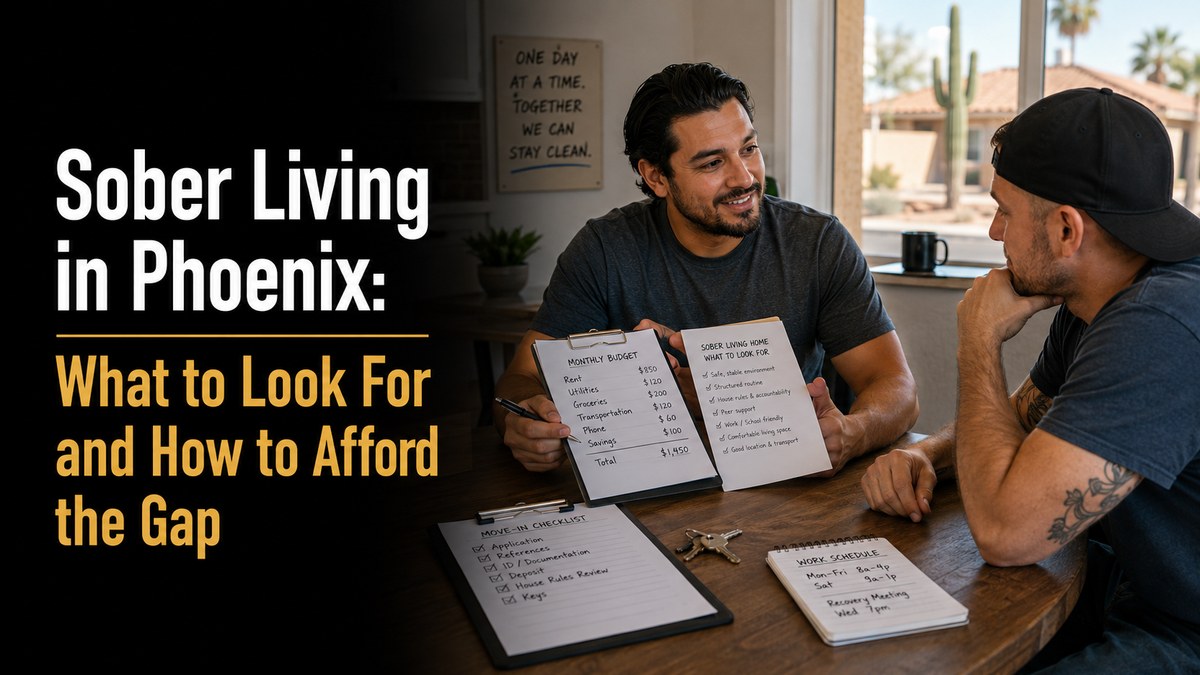
Sober Living in Phoenix: What to Look For and How to Afford the Gap
Sober living can be the difference between recovery that holds and recovery that slips. But not all homes are equal, and the deposit is where good plans stall.
Reentry
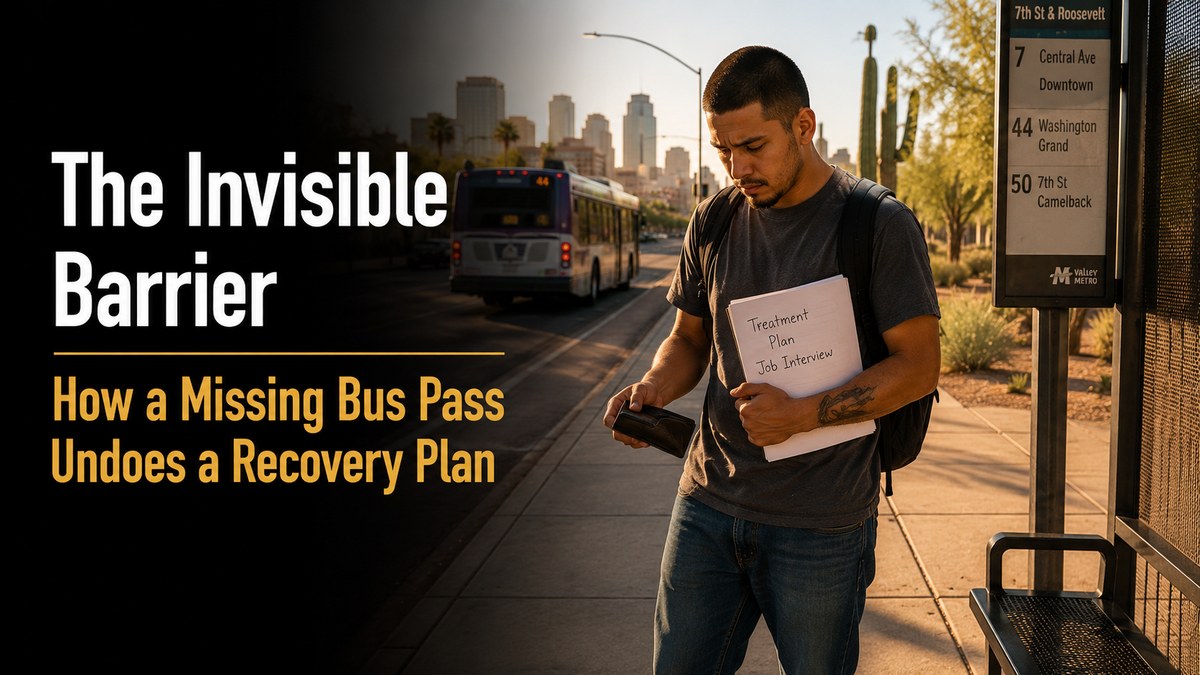
The Invisible Barrier: How a Missing Bus Pass Undoes a Recovery Plan
Nobody relapses because of a bus schedule. Except that, indirectly, people do, when the job, the meeting, and the probation check-in are all eleven miles apart.
Get Involved
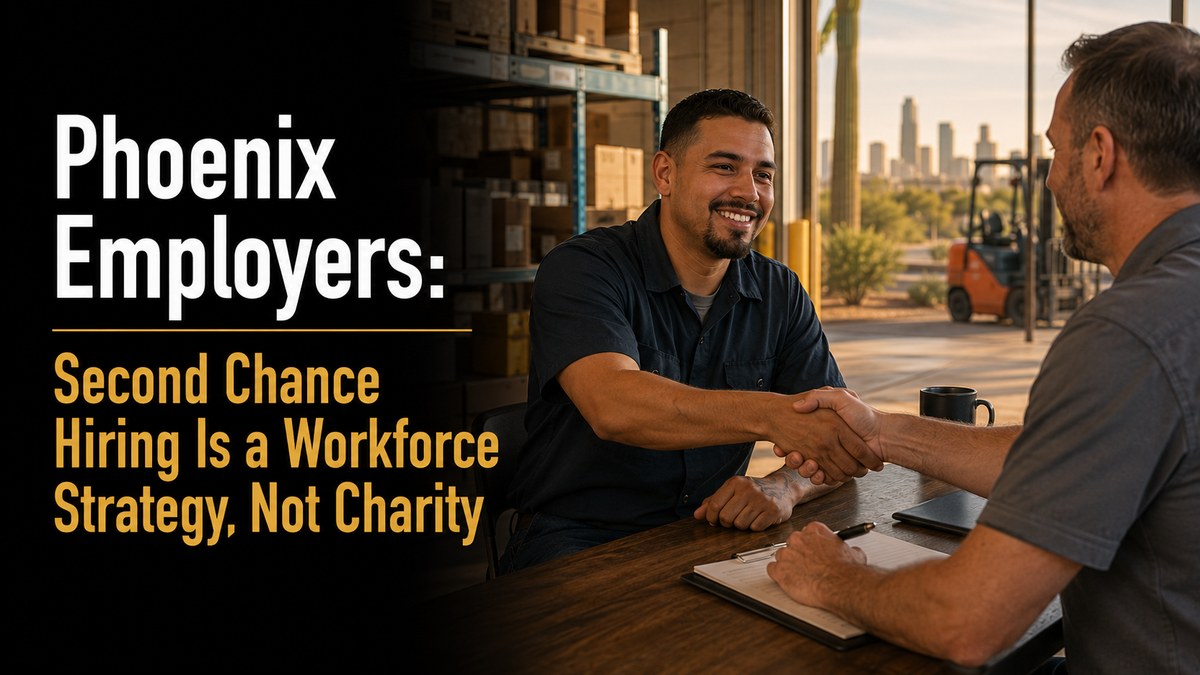
Phoenix Employers: Second Chance Hiring Is a Workforce Strategy, Not Charity
Arizona set a state goal to boost post-release employment 20% by 2030. Phoenix employers who move early get first pick of a motivated, loyal talent pool.
Reentry
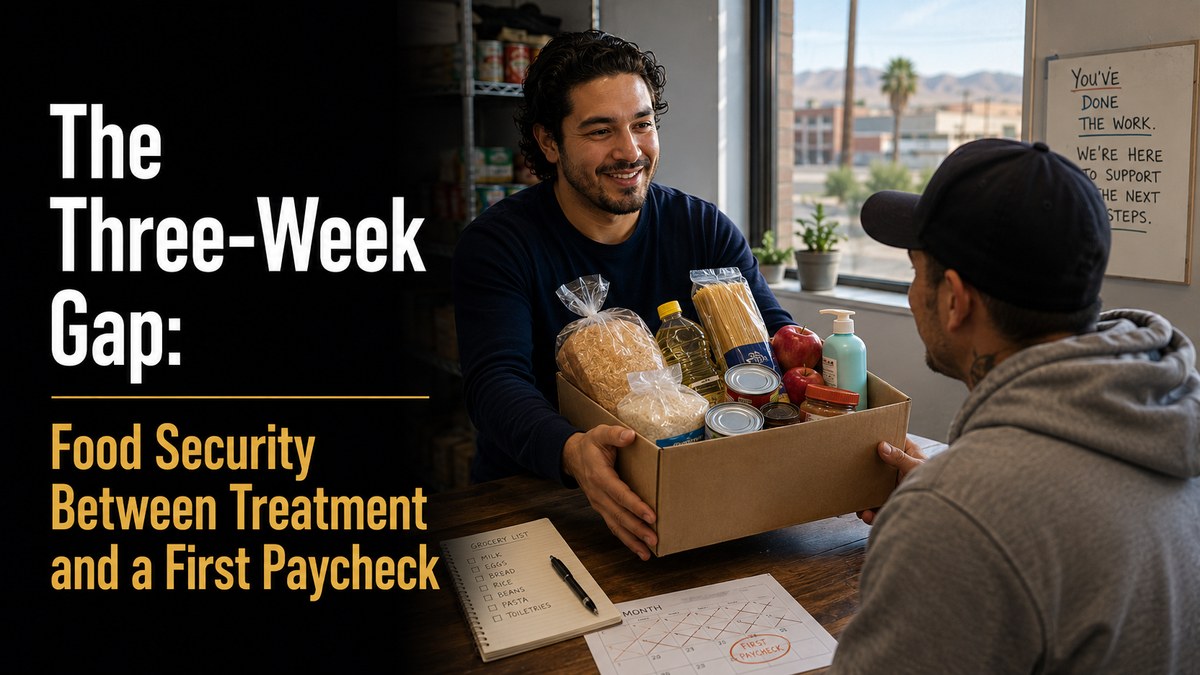
The Three-Week Gap: Food Security Between Treatment and a First Paycheck
Hierarchy of needs isn't a metaphor. Nobody works a recovery program hungry.
Reentry
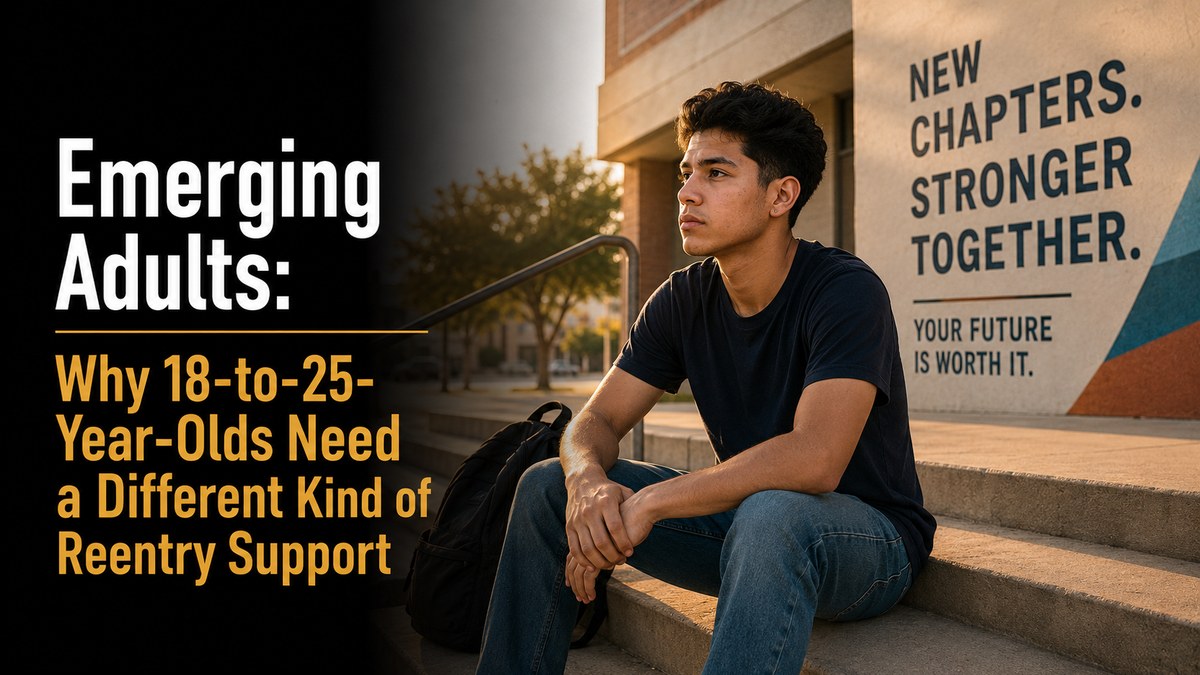
Emerging Adults: Why 18-to-25-Year-Olds Need a Different Kind of Reentry Support
They're old enough to be released as adults and young enough to have never rented an apartment, held a lease, or built a work history. The system treats that as their problem.
Get Involved
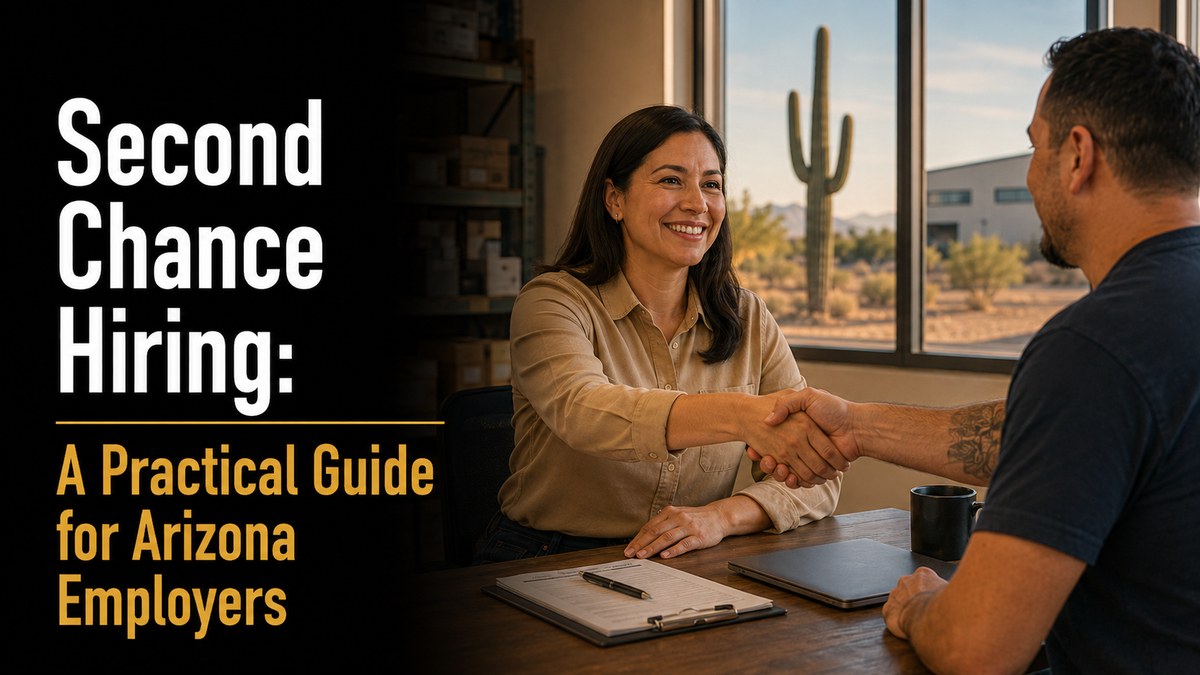
Second Chance Hiring: A Practical Guide for Arizona Employers
The business case for second chance hiring got strong enough that the U.S. Chamber of Commerce now makes it. Here's what employers need to know.
Recovery
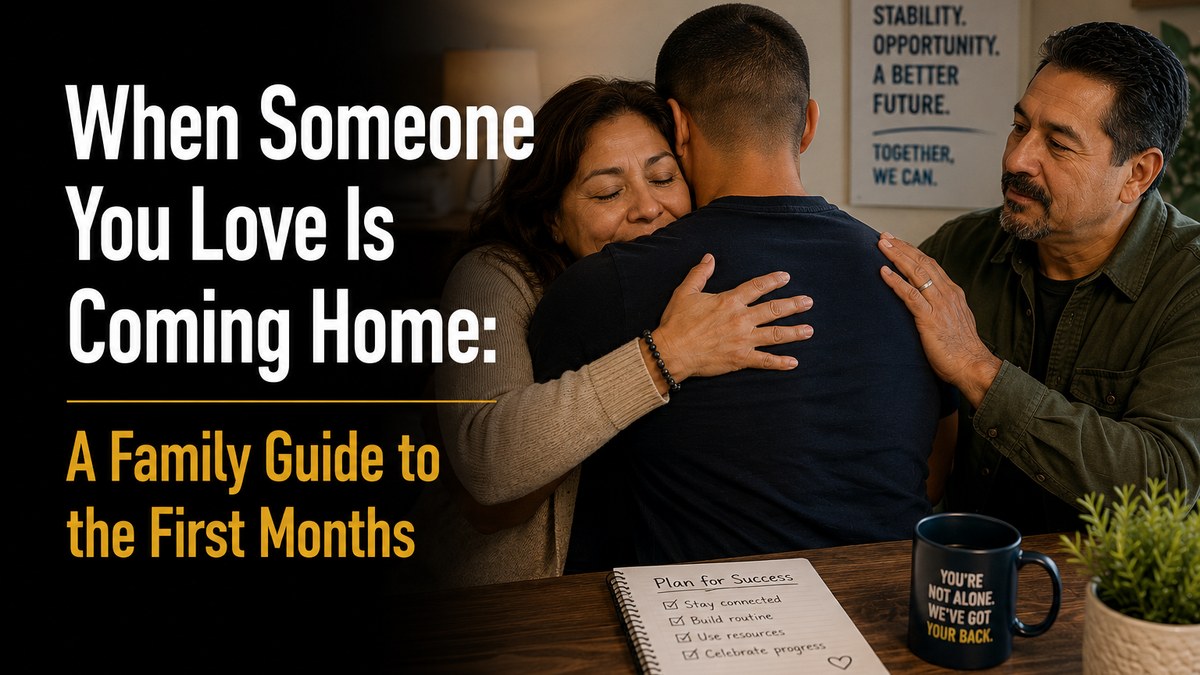
When Someone You Love Is Coming Home: A Family Guide to the First Months
You've been waiting for this homecoming, and maybe dreading it a little too. Both feelings are normal. Here's what the first months actually ask of families.
Recovery
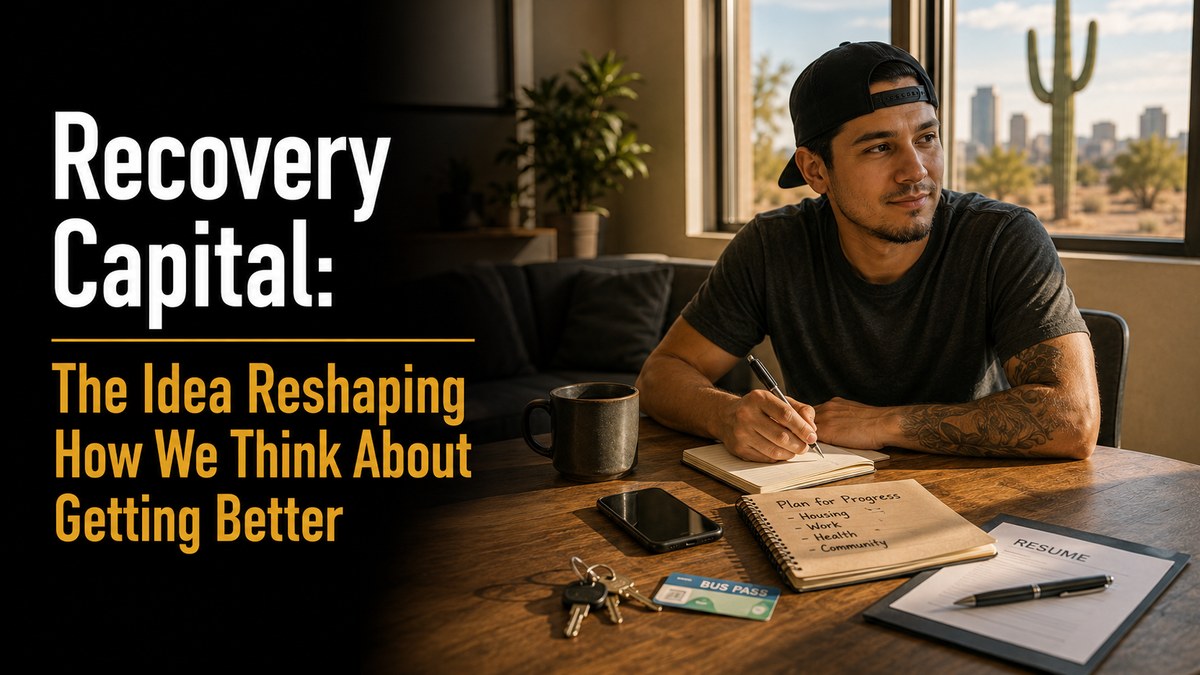
Recovery Capital: The Idea Reshaping How We Think About Getting Better
For decades we measured recovery by what was absent, no use, no arrest. Recovery capital measures what's present. That flip changes everything.
Recovery
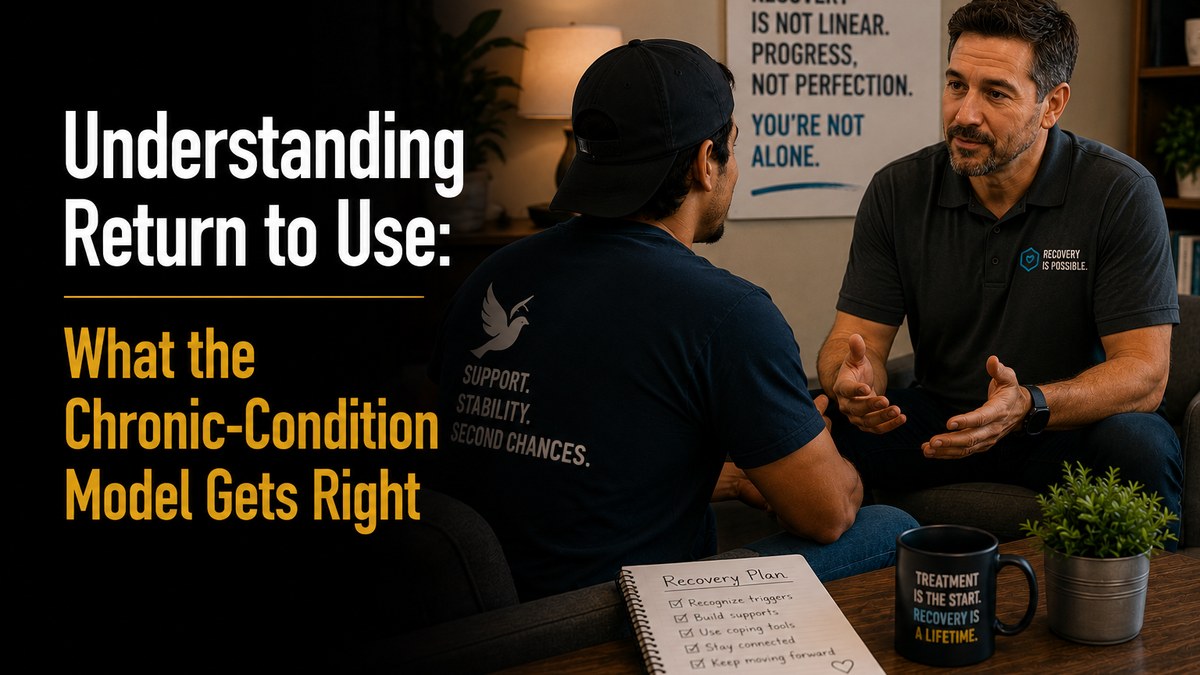
Understanding Return to Use: What the Chronic-Condition Model Gets Right
Nobody calls a blood pressure spike a moral failure. The chronic-condition model asks us to extend the same clarity (and the same follow-up care) to recovery.
The Numbers
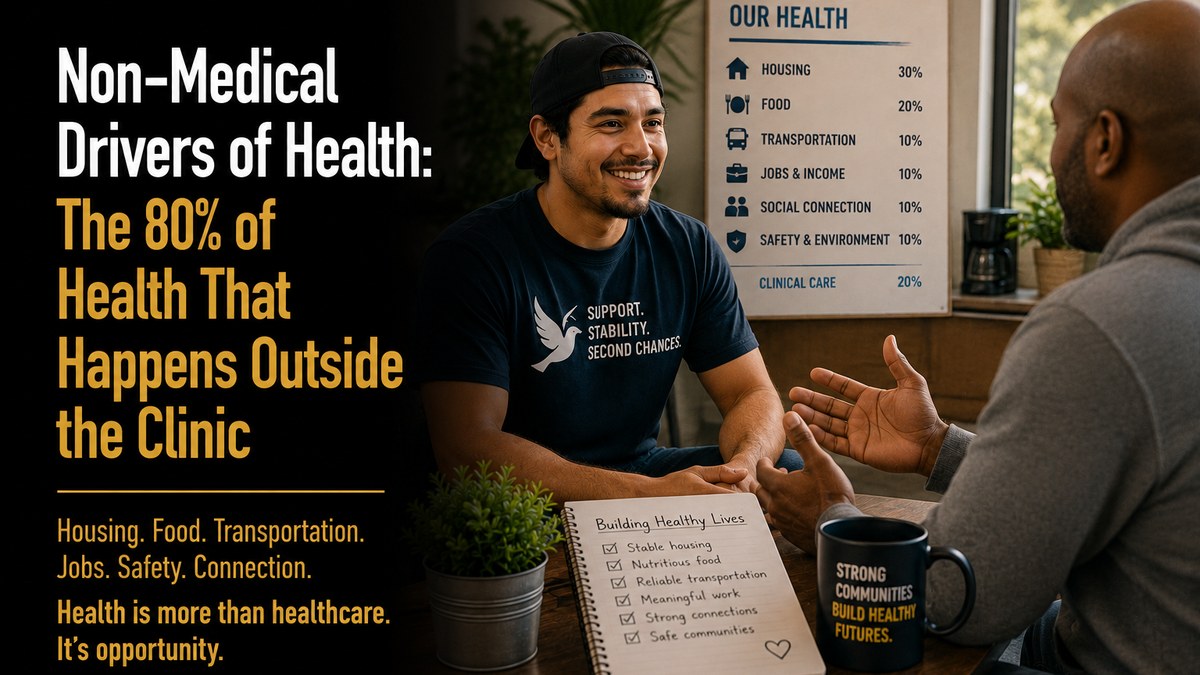
Non-Medical Drivers of Health: The 80% of Health That Happens Outside the Clinic
Medical care determines a surprisingly small share of health outcomes. The rest is decided by where people sleep, what they eat, and who they can call.
Get Involved
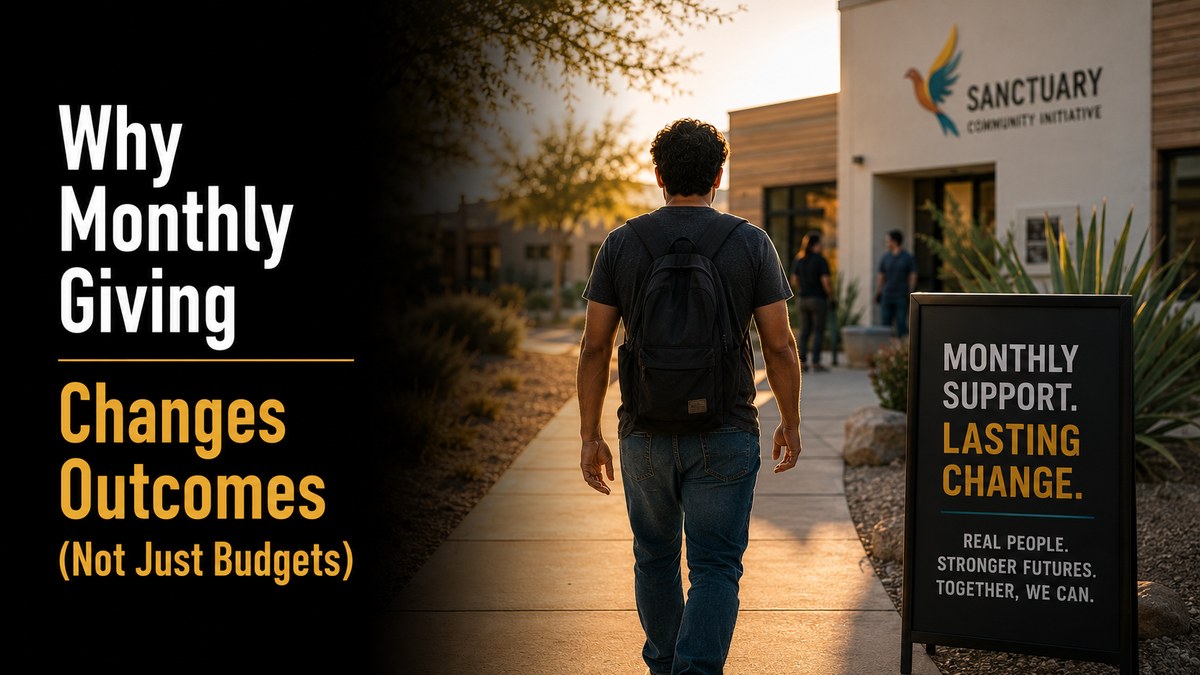
Why Monthly Giving Changes Outcomes (Not Just Budgets)
The needs we fund don't arrive on a fundraising calendar. They arrive on a Tuesday. Monthly giving is how we're ready when they do.
Get Involved
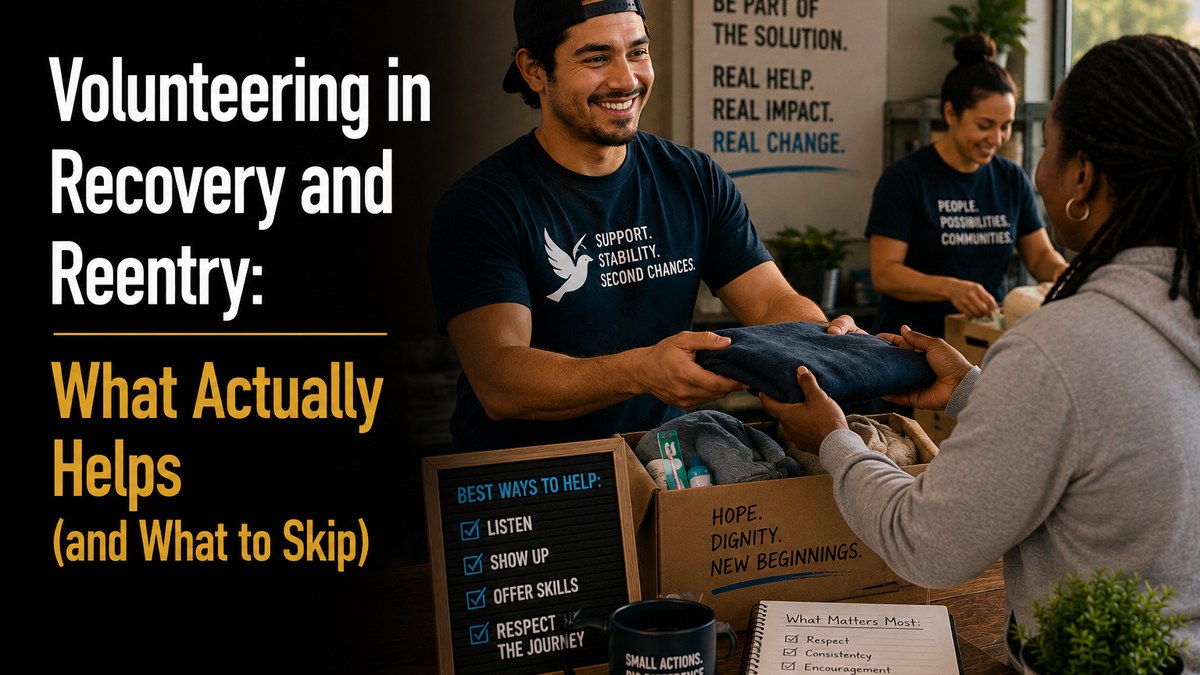
Volunteering in Recovery and Reentry: What Actually Helps (and What to Skip)
The most valuable things volunteers offer in this work aren't hours, they're access: to networks, to normalcy, to someone who shows up twice.
The Numbers
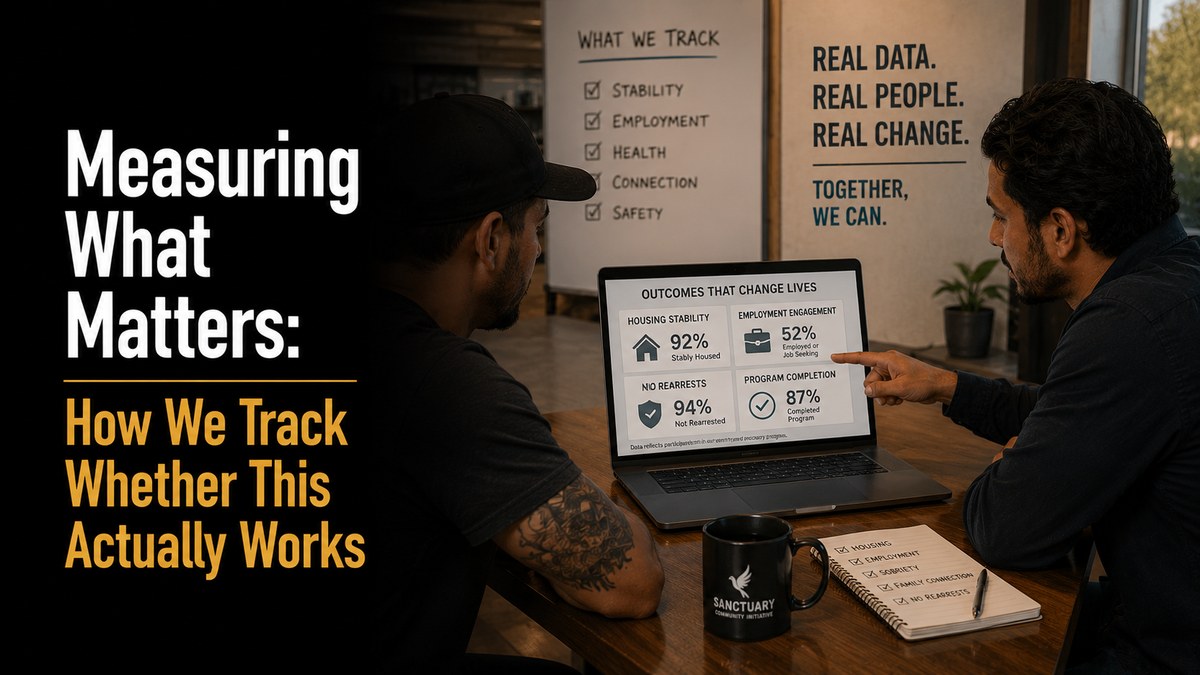
Measuring What Matters: How We Track Whether This Actually Works
Donors deserve more than anecdotes. Here's our scoreboard, our baselines, and (because honesty requires it) our limitations.
No posts in this category yet. Check back soon.